
How to Protect Your Nursing License: Documentation, Malpractice & Legal Advice with Legal Nurse Allen
If you’re a nurse, chances are you’ve heard some version of these phrases:
“If you didn’t document it, it didn’t happen.”
“Don’t write too much, you’ll only get yourself in trouble.”
“The hospital has malpractice insurance, so you don’t need your own.”
And perhaps the classic: “Will continue to monitor.”
But how much of what nurses are taught about documentation and protecting their nursing license is actually helpful?
That’s exactly what I wanted to unpack with Bianca Allen, also known as Legal Nurse Allen, on the Life After Nursing School podcast.
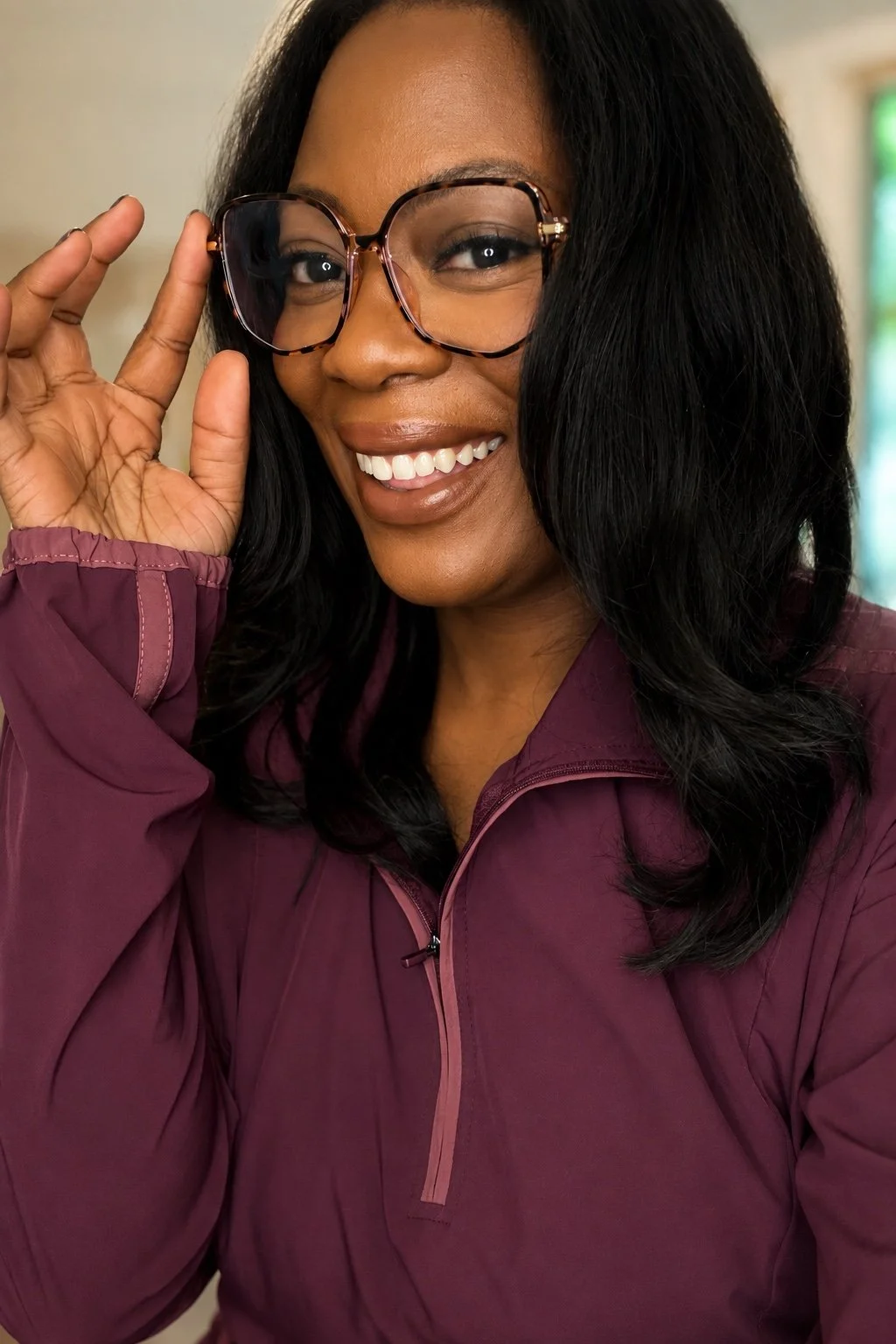
Bianca is a registered nurse with years of experience across trauma and neuro ICU, travel nursing, cardiology, nursing leadership, education, and Joint Commission program management. Today, she works as a legal nurse consultant, expert witness, and nursing educator. Her career gives her a fascinating perspective because she has seen nursing documentation from both sides: as the nurse entering information into the medical record and as the legal nurse reviewing those records later to figure out exactly what happened.
And after reviewing thousands of pages of medical records, one message came through loud and clear:
Your documentation needs to be able to speak for you… even years after you cared for that patient.
So, let’s talk about how nurses can protect their license, document more intentionally, and understand the legal side of nursing.
Disclaimer: This article summarizes an educational conversation with Legal Nurse Allen and is not legal advice. Bianca specifically emphasized during the episode that her documentation recommendations should not be interpreted as legal advice.
First: What Is a Legal Nurse Consultant?
Before we got into documentation, I needed Bianca to answer a pretty basic question:
What the heck does a legal nurse consultant actually do?
Because before this conversation, I really didn’t know.
Bianca explained that the term legal nurse consultant can encompass different types of work, but she made an important distinction between behind-the-scenes legal nurse consulting and expert witness work.
A legal nurse consultant working behind the scenes may help an attorney understand the healthcare aspects of a case. That can include reviewing medical records, creating a chronological timeline of care, evaluating nursing standards of care, identifying relevant information, and helping attorneys understand the nursing and healthcare pieces of a case.
An expert witness, on the other hand, is generally brought into a case because of expertise in a particular area. Bianca, for example, has extensive experience with cardiology, nursing education, competencies, policies, orientation, and standards of care. That experience may allow her to offer an expert nursing opinion on a case involving those areas.
And no, being an expert witness does not necessarily mean dramatically walking into a courtroom like an episode of Suits.
Some cases require a deposition. Some require trial testimony. Sometimes an attorney simply needs an expert opinion after the nurse reviews the medical record. Bianca explained that many cases never actually make it to trial.
A Medical Record Looks VERY Different Once It Becomes a Legal Record
As nurses, we’re used to seeing the medical record inside systems like Epic or Cerner. We click between tabs, assessments, flowsheets, the MAR, notes, orders, and everything else.

But Bianca explained that when medical records are produced for a legal case, they can look completely different.
Information that feels connected while you’re charting can become separated when the record is produced. Flowsheets may be in one area, nursing notes somewhere else, and the MAR somewhere else entirely.
That means a legal nurse reviewing the case may need to pull pieces from multiple parts of the record to reconstruct what actually happened.
Bianca described her job almost like creating a story from thousands of pieces of information.
She first makes sure she has a complete record. Then she reviews the relevant information, creates a timeline of events, compares allegations with standards of care, and identifies information the attorney may need to understand.
Sometimes those records are THOUSANDS of pages long.
Bianca shared that she once received an additional 8,000 pages to review on a case she thought was nearly finished. She loves the investigative side of legal nursing, piecing together what happened and turning chaos into an organized timeline, but even she admitted there are days when 8,000 more pages are the last thing she wants to see. 😂
And that brings us to the part every bedside nurse needs to hear.
Nursing Documentation: More Isn’t Always Better
Throughout my nursing career, I’ve heard completely opposite advice about documentation.
One nurse will tell you: “Chart EVERYTHING.”
Another will tell you: “Never write a nursing note if you don’t have to.”
So which is it?
According to Bianca, the answer falls somewhere in the middle.
Her recommendation is to be intentional.
If your patient’s vital signs are documented in the flowsheet and are normal, writing an additional narrative note that simply says “vital signs stable” may not add meaningful information.
Instead, documentation becomes especially important when something abnormal or significant happens and the existing charting fields don’t adequately explain the situation.
Think less: How much can I document?
And more: What does someone need to understand about what happened?
A Simple Framework for More Intentional Nursing Documentation
One of my favorite takeaways from Bianca was how simply she broke down useful documentation.
When something significant happens, your documentation should help someone understand:
What happened → What you did → Who you notified/what intervention occurred → How the patient responded → What the outcome was.
That doesn’t necessarily mean writing every piece of information again in a narrative note.
If the vital signs are already documented, you may be able to reference the flowsheet. If the medication is documented in the MAR, you don’t necessarily need to duplicate it. If the EMR has designated fields for provider notification, use them.
But if those checkboxes don’t tell the whole story, that may be when additional objective documentation provides important context.
The goal isn’t to write a novel.
The goal is for someone reading the chart later to understand the sequence of events.
Document WHO You Notified
THIS was something Bianca emphasized multiple times.

If you have a concern about your patient and escalate it, make sure the medical record reflects that communication.
Bianca explained that she wants to be able to see who was notified, when that communication occurred, what intervention followed, and how the patient responded when that information is relevant to the situation.
And this isn’t about “telling on” a provider.
It’s about accurately documenting the care you provided and the actions you took for your patient.
If the patient continues to deteriorate and you escalate further up the chain of command, your documentation should reflect what actually occurred.
Because months—or years—from now, you may not remember the conversation.
Your chart might be the thing that remembers for you.
Maybe Retire “Will Continue to Monitor”
Okay, nurses. We need to talk about this one. 😂 How many times have you ended a note with: “Will continue to monitor.”
I KNOW I have.
Bianca challenged us to ask what that phrase actually tells someone.
Continue to monitor what?
What are you watching for?
What did your reassessment show?
Instead of relying on a vague phrase, the subsequent assessment and documentation can demonstrate what you actually continued to monitor and what happened next.
Her broader point wasn't that there is one magical phrase nurses should never type.
It was this: Avoid vague documentation that creates more questions than answers.
Direct Patient Quotes Can Provide Important Context
Another thing I asked Bianca about was direct quotes.
As a former ER nurse, I have seen some WILD things said by patients documented word-for-word in the chart.
So…is that okay?
Bianca said direct quotes can be useful when they provide relevant context.
For example, rather than simply labeling a patient “combative” or “noncompliant,” documenting the actual behavior or a relevant statement may show what occurred without inserting your own conclusion.
That distinction matters.
Bianca emphasized that nurses should document facts rather than diagnoses, assumptions, or personal interpretations of someone’s behavior.
A direct quote can sometimes show the reader exactly what occurred while allowing the appropriate clinician or team to determine what that behavior means.
Her advice? Don’t use direct quotes for entertainment. Use them when they provide meaningful clinical context.
Facts, Facts, Facts
If there was one documentation principle Bianca kept returning to, it was objectivity.
Instead of: The patient was being disruptive.
Ask yourself: What did the patient actually do?
Instead of speculating about why a provider didn't call back, simply document the communication attempts and what happened next.
Bianca recommends slowing down enough to ask yourself: What am I actually trying to convey here?
Document what happened, what you did, and what happened afterward.
No unnecessary conclusions.
No blame.
No emotional commentary.
Facts only.
And I think that is such a good reminder because nursing is BUSY. Sometimes we’re charting quickly at the end of a chaotic shift and just trying to finish.
But the medical record is also a legal document.
Bianca suggested thinking about whether you would be comfortable having your documentation read aloud years later and being asked to explain exactly what you meant.
That changes your perspective a little, doesn't it?
One of the Biggest Nursing Documentation Mistakes? Vague or Missing Charting
I asked Bianca what she sees as one of the biggest mistakes nurses make when it comes to protecting their practice.
Her answer from her own experience was: Vague or absent charting.
She shared an example from a case involving a nurse who had been named in a lawsuit.
Bianca reviewed the record hoping she could find documentation showing what the nurse had done in response to the patient's situation.
She kept looking. And looking. It simply wasn’t there.
Bianca described how upsetting that was because without documentation, there was no clarification in the record showing what actions the nurse had taken.
That doesn’t mean nurses need to feverishly document every second of every shift.
It means that when something important happens, your documentation should clearly reflect your nursing care.
Your Documentation May Need to Speak for You YEARS Later
This might be the biggest reason to develop good documentation habits early in your career.
If you are ever involved in a deposition or legal case, it may involve a patient you cared for years earlier.
Think about how many patients you’ve cared for.
Could you remember one specific patient from three years ago?
Their exact blood pressure?
When you called the provider?
What the provider said?
What you reassessed 30 minutes later?
Probably not.
And Bianca explained that you generally shouldn't be relying on memory to reconstruct your care anyway. The medical record becomes incredibly important in helping you clearly articulate what occurred.
That’s why she talks so much about habits.
Bianca described consistently following safety processes and documenting significant circumstances so that her record reflects what she did and why.
Of course, real nursing isn’t perfect.
If your patient is coding, you’re not stopping compressions because you need to type a beautiful nursing note.
Bianca acknowledged that documentation cannot always happen in real time. But afterward, nurses can document the important events leading up to the emergency, what happened during it, and what occurred afterward.
Do Nurses Need Their Own Malpractice Insurance?
This part of our conversation was VERY interesting.
I told Bianca I had always heard two conflicting opinions:
“The hospital covers you, so you don’t need your own malpractice insurance.” versus “Every nurse should carry their own policy.”
Bianca’s perspective?
The hospital has insurance to protect the hospital.
Sometimes that may protect the nurse as well but she cautioned nurses against automatically assuming their employer’s coverage will protect them in every situation.
And malpractice lawsuits aren't the only concern.
Bianca pointed out that nurses can also face Board of Nursing complaints and other issues involving their professional license.
Her recommendation was for nurses to do their due diligence, research their options, understand what coverage they actually have, and consider their own malpractice insurance rather than simply assuming their employer will handle everything.
What If You Ever Have to Testify About Your Nursing Care?
During our conversation, we also discussed a nurse Bianca had recently watched testify in a highly publicized trial.

What stood out to Bianca wasn't drama.
It was professionalism.
She described the nurse as calm, objective, intentional, knowledgeable about her scope, and able to stick to the facts.
When questioning ventured into something outside nursing scope, the nurse simply clarified that she doesn't diagnose.
She didn't become argumentative.
She didn't speculate.
She spoke to her nursing care and what she knew.
And there is such a lesson there for nurses even if we NEVER step inside a courtroom:
Know your scope. Know your practice. Stick to the facts.
Interested in Becoming a Legal Nurse Consultant?
This episode wasn't only about protecting your nursing license.
We also dove into how nurses can get into legal nurse consulting and Bianca was refreshingly realistic about it.
There isn’t one perfect path.
Her own entry into the field happened almost accidentally when an attorney needed a nurse's expertise on a case. That attorney later helped Bianca understand that what she had provided wasn't simply a favor, it was valuable professional work. Years later, another opportunity brought her into a law firm, and eventually she began building legal nurse consulting into a larger part of her career.
But Bianca cautions nurses against assuming legal nurse consulting is simply an escape hatch from bedside burnout.
Ask yourself: Do you enjoy reading?
Can you comb through hundreds, or thousands, of pages of medical records?
Do you have strong attention to detail?
Do you enjoy writing reports?
Could you remain composed while being questioned in a deposition?
Do you want to work behind the scenes, or does expert witness work interest you?
Because legal nursing is still a job. It has challenges, deadlines, stress, and days you may not love.
For nurses who genuinely feel aligned with the work, Bianca recommends building a network, learning about the different paths available, considering education or mentorship if you need structure, and understanding what attorneys actually need from legal nurses.
Your Nursing Career Does Not Have to Look One Way
And THIS is where Bianca's story fits so perfectly with everything I want Life After Nursing School to represent.
She has been an ICU nurse.
A travel nurse.
A cardiology nurse.
A charge nurse.
A supervisor.
An educator.
A clinical nurse specialist.
A Joint Commission program manager.
A legal nurse consultant.
An expert witness.
And she still occasionally returns to bedside nursing because she genuinely enjoys it.
At the end of our conversation, I asked Bianca the question I ask every guest: If you could go back and talk to new grad nurse Bianca, what would you tell her?
Her answer was essentially to calm down, recognize how many possibilities exist, and stop allowing one traditional definition of nursing success to dictate your career.
She encouraged nurses to figure out what they define as success, understand their gifts, and create a career that provides income while also supporting a life that makes them happy rather than burning them out.
And THAT is the message I hope every nursing student and new grad takes from this episode.
Yes, learn how to protect your license.
Learn how to document intentionally.
Know your scope.
Understand your policies.
Advocate for your patients—and protect yourself in the process.
But also remember: Your nursing license doesn't lock you into one version of a nursing career.
You can evolve.
You can pivot.
You can reinvent yourself.
And you can build a nursing career that actually fits the life you want to live.
As always — I have one hand for me, and the other for you. 🤍
Signing Off…
Caroline
PS. Want to listen to the full conversation? Listen to Life After Nursing School Podcast Ep 69