
Can a career in nursing lead you somewhere completely unexpected? For RN-turned-psychic medium Makyla Wendroth, the answer is absolutely.
When you think about life after nursing school, what comes to mind?
Maybe working in the emergency department, becoming a nurse practitioner, moving into leadership, or eventually leaving the bedside for something with a better work-life balance.
But what about becoming a psychic medium and Akashic Records reader?
Yep. You read that correctly!
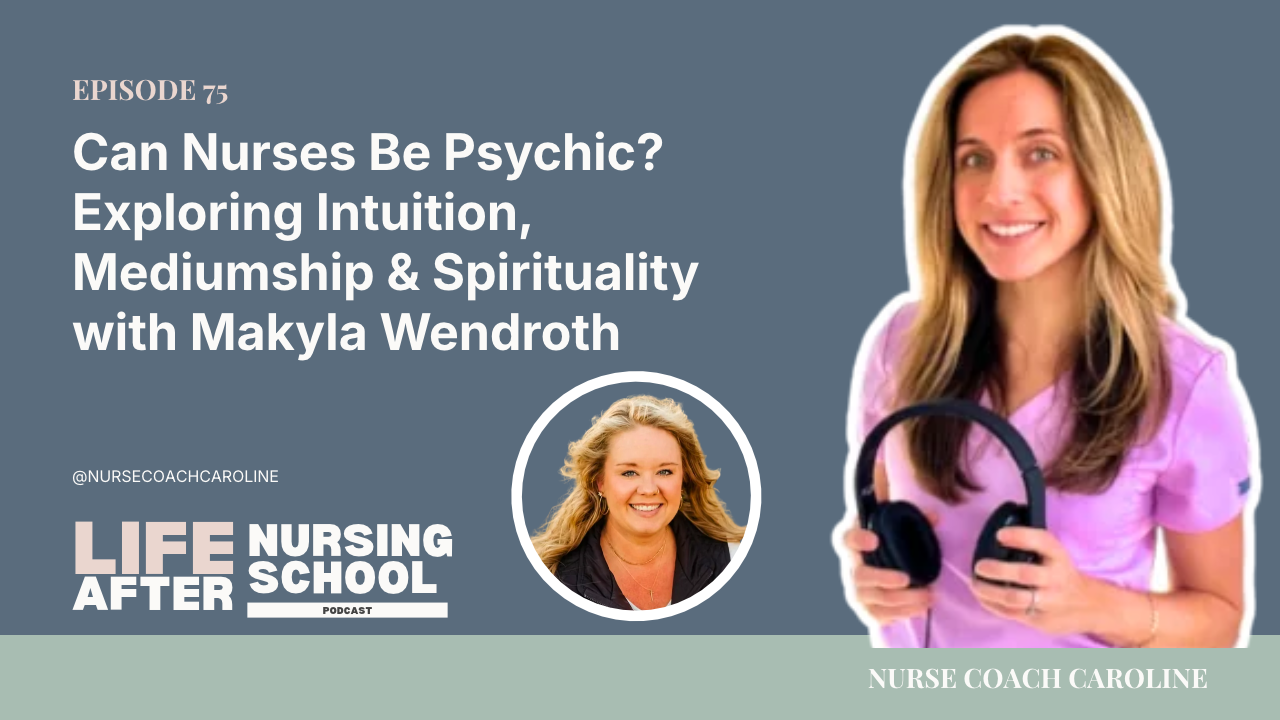
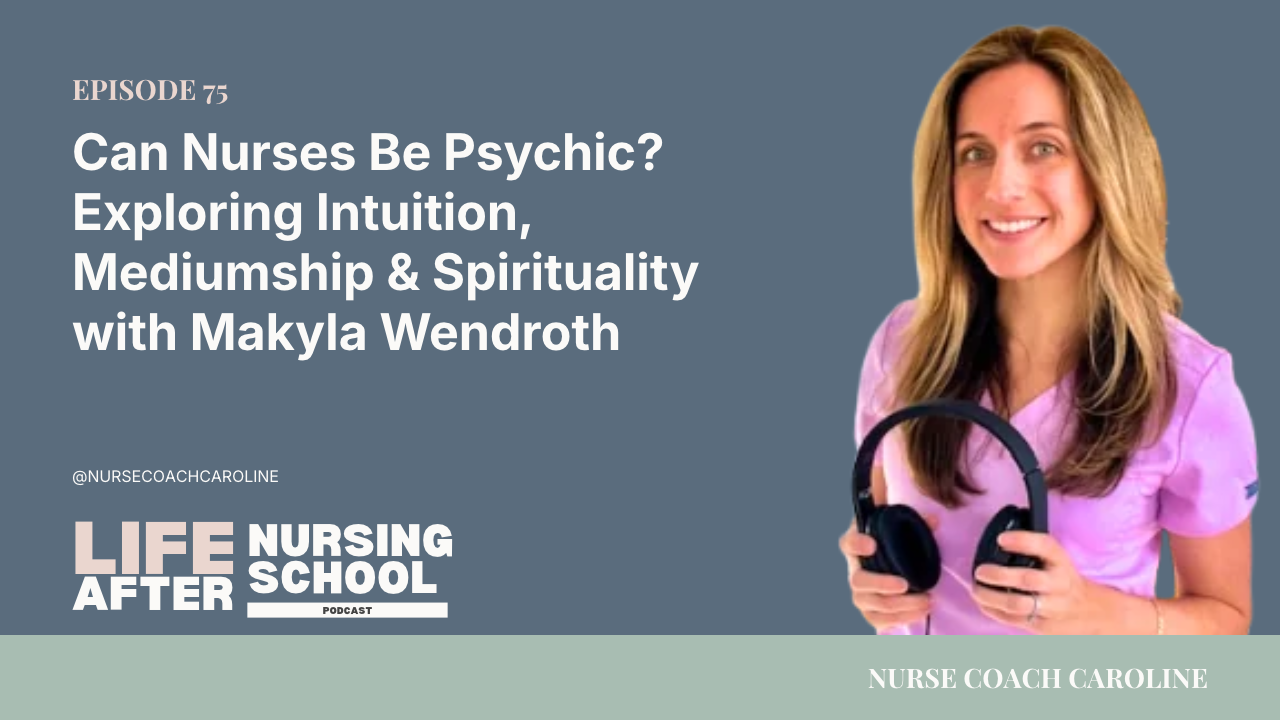
On this episode of Life After Nursing School, I'm joined by Makyla Wendroth, a registered nurse who transitioned into spiritual and intuitive work, for a conversation unlike any I've had on the podcast before.
We talk about her unconventional nursing career, the experiences that led her toward spirituality, and how she went from practicing traditional nursing to exploring Reiki, meditation, psychic mediumship, and the Akashic Records.
We also dive into some BIG questions.
Can nurses trust their intuition? What's the difference between science and spirituality? What exactly are the Akashic Records? And what happens when the career you've built no longer feels aligned with the person you're becoming?
Now, I know spirituality and psychic abilities aren't everyone's cup of tea. And that's okay!
Many of the spiritual ideas we discuss are based on personal beliefs and experiences rather than established scientific evidence.
But one thing I love about this podcast is exploring the MANY ways nurses use their backgrounds, experiences, and passions to create meaningful lives and careers.
And Makyla's journey is certainly an interesting one.
1. Makyla's Nursing Journey: A Career She Never Actually Planned
One of the things I found most fascinating about Makyla's story is that she never originally planned to become a nurse.
She actually wanted to be a pharmacist!
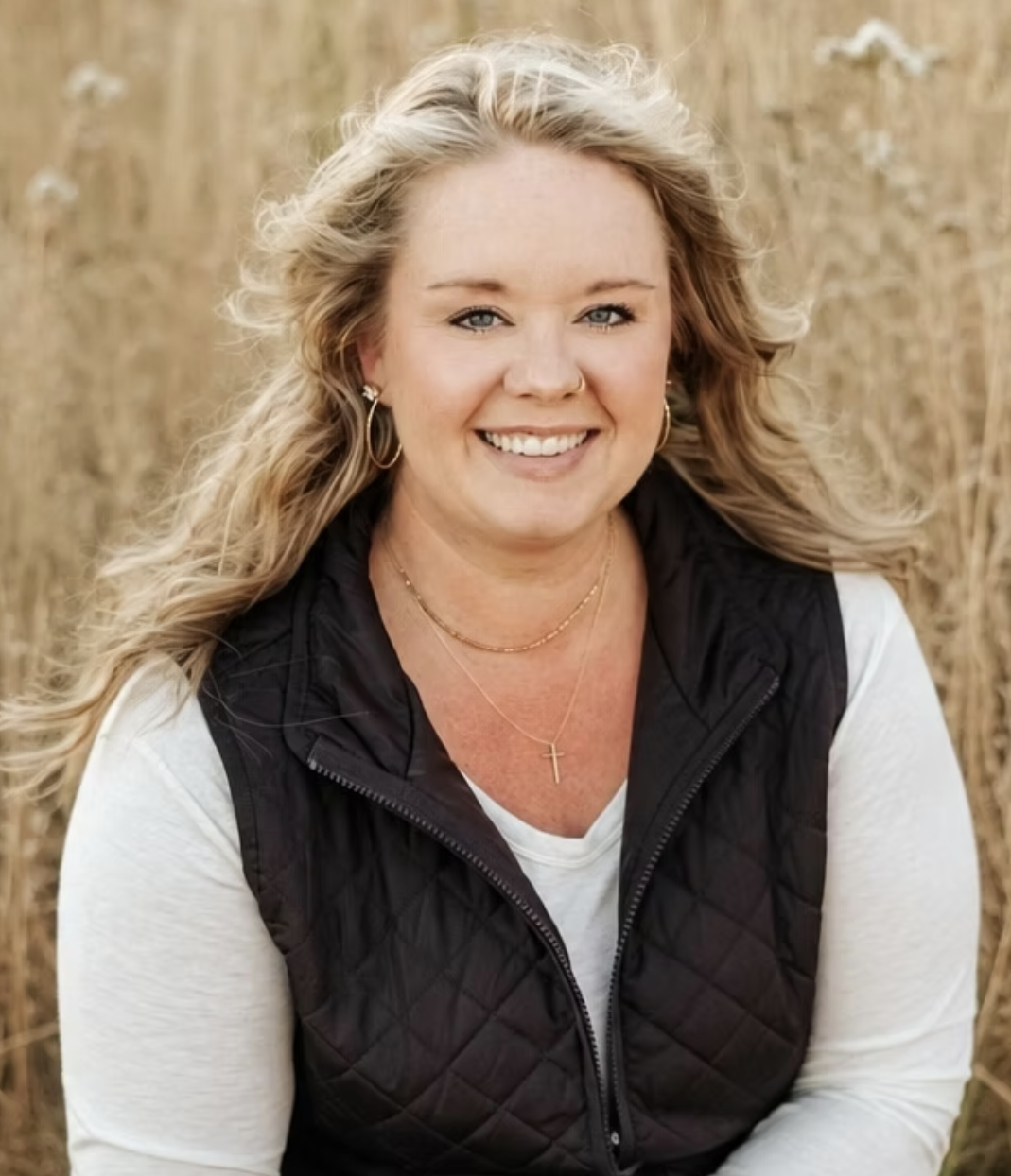
Growing up in Iowa, Makyla spent a lot of time around pharmacies because her mother lived with rheumatoid arthritis and required ongoing medical treatment.
Her first job was as a pharmacy technician, and she eventually decided to pursue pharmacy school.
But a problem with her application meant she would have to wait significantly longer than expected to begin a program.
That's when a friend suggested nursing.
Makyla wasn't exactly thrilled about the idea.
In fact, she shared that during her early nursing school rotations, she wasn't convinced nursing was for her at all.
But she continued with her education, eventually earning her RN.
And something changed when she reached her pediatric clinical rotations.
For the first time, she felt genuinely connected to the work.
Finding Meaning in Pediatric Nursing
After graduation, Makyla moved to Minnesota and began working in pediatric home care.
One of her first patients was a young boy with complex medical needs who required around-the-clock nursing support.
Makyla developed a close relationship with him and his family.
After he passed away, several of his nurses and his mother traveled together and got matching tattoos honoring him.
The tattoo reads sunshine, inspired by his favorite song.
I thought this story was incredibly touching.
It also highlights something nurses understand so well.
Sometimes the most meaningful parts of nursing have very little to do with the technical skills we perform.
They're about relationships, connection, and the privilege of being present during some of the most vulnerable moments in people's lives.
Exploring Different Nursing Specialties
Makyla eventually transitioned into pain management, including working with patients who had chronic pain and intrathecal pain pumps.
She described this as one of her favorite nursing jobs because the care was so individualized.
She enjoyed helping patients find treatment approaches that improved their comfort and quality of life.
But as her career progressed, she also became increasingly interested in looking beyond traditional approaches to health and wellness.
That curiosity eventually led her toward entrepreneurship, personal development, and a completely different professional path.
And I think there's an important lesson here for nurses.
Your nursing career doesn't have to follow a straight line.
You can love certain aspects of nursing, feel disconnected from others, and still discover valuable experiences along the way.
2. How Personal Development Led Her Toward Spirituality
Makyla didn't wake up one morning and decide to become a psychic medium.
Her journey happened gradually.
She described discovering personal development books and podcasts and becoming fascinated by the idea that people could intentionally work on their mindset, habits, and personal growth.
For someone who hadn't previously explored that world, it opened up an entirely new perspective.
And I could relate to this SO much.
When I started building my own business, I consumed countless books about entrepreneurship, mindset, confidence, and becoming a better version of myself.
It's interesting how personal development can lead people toward bigger questions about purpose, identity, and what they actually want out of life.
For Makyla, those questions eventually led her to explore spirituality.
She began trying new experiences, including yoga, Reiki, and meditation.
And she adopted a mindset of being more open to opportunities that felt meaningful, even when she didn't completely understand where they might lead.
What Is Reiki?
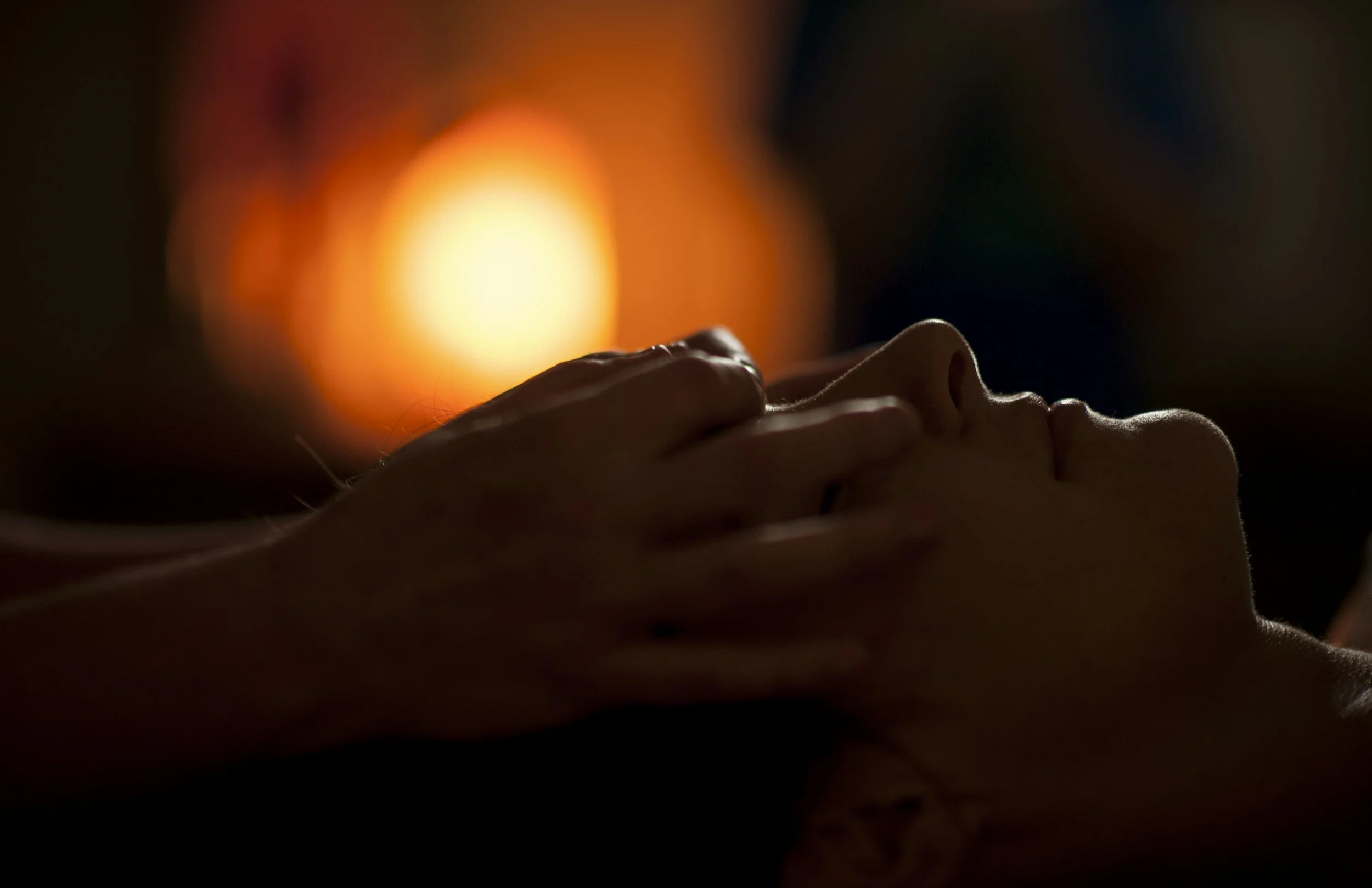
Reiki is a Japanese-origin spiritual practice in which practitioners use gentle touch or position their hands near the body with the intention of promoting relaxation and well-being.
Some people describe Reiki in terms of energy healing.
While people may find the experience relaxing or personally meaningful, scientific evidence does not establish the existence of the proposed healing energy or demonstrate that Reiki can treat medical conditions.
For Makyla, Reiki was part of a broader exploration of spirituality and her personal experiences with intuition.
And those experiences eventually led her to question how she understood herself and the world around her.
3. Nursing Intuition vs. Psychic Intuition: Is There a Connection?
Okay, this is where our conversation got REALLY interesting.
As nurses, we've all heard someone say:
I just had a feeling something wasn't right with my patient.
Maybe you've experienced it yourself.
A patient's vital signs look relatively stable.
Their assessment findings aren't dramatically different.
But something about their presentation makes you uneasy.
And sometimes that feeling prompts you to take a closer look.
What Nurses Call a Gut Feeling
In clinical nursing, intuition can sometimes reflect pattern recognition.
As nurses gain experience, they become better at noticing subtle changes in patients.
They may recognize concerning patterns before they can immediately explain which specific finding triggered their concern.
That doesn't mean nurses have supernatural abilities.
It means our brains can use accumulated experience and clinical knowledge to identify information that deserves further assessment.
And importantly, a gut feeling should prompt appropriate assessment and clinical action—not replace objective findings or evidence-based care.
How Makyla Understands Intuition
Makyla views intuition through a more spiritual lens.
She describes intuitive experiences as a form of connection to information beyond ordinary conscious awareness.
Throughout our conversation, she shared how she came to understand certain experiences in her life as signs of psychic ability.
We discussed how people interpret intuition differently depending on their backgrounds, beliefs, and experiences.
Some understand it through psychology and neuroscience.
Others understand it through spiritual or religious frameworks.
And some are simply curious about both.
The important distinction is that clinical intuition and psychic mediumship are not scientifically established as the same phenomenon.
Still, our conversation raised an interesting question about how often people dismiss their own feelings, experiences, and curiosity because they don't fit neatly into their existing worldview.
4. What Are the Akashic Records?
If you've never heard of the Akashic Records, you're probably wondering what on earth we're talking about.
Don't worry. I had questions, too!
The Akashic Records are a concept found in modern esoteric and spiritual traditions.
They're often described as a nonphysical record of souls, experiences, thoughts, and possibilities.
Within this belief system, practitioners may describe accessing the records through meditation, prayer, or intuitive practices.
There is no established scientific evidence that the Akashic Records exist as a literal source of information.
However, some people use the concept as a framework for spiritual reflection and personal growth.
How Makyla Describes an Akashic Records Reading
During our conversation, Makyla walked me through what happens when someone books a reading with her.
She described entering a meditative or intuitive state and asking what information might be most meaningful for the person she's working with.

Her approach isn't simply about answering questions like:
Will I get married?
Should I change careers?
What's going to happen next year?
Instead, she explained that she often focuses on the deeper emotional patterns behind those questions.
For example, if someone asks whether they should leave a relationship, she might explore themes of self-worth, trust, personal boundaries, or fear.
Her goal, as she describes it, is to help people understand themselves more deeply.
I thought this was an interesting distinction because it shifted our conversation away from simply predicting the future and toward the questions people ask when they're feeling uncertain about their lives.
5. Can Psychic Readings Predict the Future?
One of the questions I wanted to ask Makyla was whether she ever has to deliver frightening information.
For example, does she ever tell someone they're going to die?
Or warn them about a terrible event?
Her answer was an emphatic no.
Makyla explained that she doesn't believe a psychic reading should dictate someone's future.
In her spiritual framework, there are multiple possible outcomes, and people's decisions influence how their lives unfold.
She also described an important ethical boundary in her work:
She doesn't believe a spiritual practitioner should tell someone what major life decisions to make.
Instead, she wants people to retain their own agency.
Why Discernment Matters
Something else Makyla emphasized was the importance of questioning information received during spiritual readings.
She encouraged people to reflect on whether something feels meaningful or empowering rather than automatically accepting it because a practitioner said it.
I think this is an important point to expand on.
Whether you're seeking spiritual guidance, career coaching, or advice from someone you admire, it's important to maintain your ability to think critically and make your own decisions.
And when it comes to medical diagnoses, treatment, mental health concerns, or other high-stakes decisions, spiritual readings should never replace qualified professional guidance or reliable evidence.
You can explore personal beliefs while still recognizing the importance of evidence-based healthcare.
Those boundaries matter, especially when the conversation involves nurses and healthcare professionals.
6. Spirituality, Science, and the Nursing Profession
One of the reasons I was excited to have Makyla on the podcast was the contrast between her two professional worlds.
Nursing is rooted in science, clinical research, and evidence-based practice.
Psychic mediumship and Akashic Records readings are rooted in spiritual beliefs and personal experiences.
So how does someone with a nursing background navigate those differences?
Makyla shared how her experiences with meditation, personal development, and spiritual practices challenged some of her previous assumptions.
She also talked about becoming increasingly curious about the relationship between consciousness, the mind, and the physical body.
Can Science and Spirituality Coexist?
I think this is a fascinating question, particularly for nurses.
Many healthcare professionals have personal spiritual or religious beliefs.
And those beliefs can play meaningful roles in how they understand their own lives, cope with uncertainty, and connect with others.
But it's important to distinguish between personal spiritual experiences and scientifically supported medical claims.
During our conversation, Makyla discussed ideas about consciousness, meditation, genetics, and healing. Some of those ideas reflect her personal interpretations rather than conclusions established by medical research.
For example, meditation has been studied for its potential benefits for stress and well-being, but that research does not establish the existence of psychic abilities or validate all claims made within spiritual traditions.
Similarly, our thoughts, behaviors, and environments can influence health, but that doesn't mean we can think away genetic conditions or replace necessary medical treatments with positive beliefs.
As nurses, we have a responsibility to understand those distinctions.
And I think it's possible to remain curious about someone's experiences without automatically accepting every explanation for them.
Being open-minded and thinking critically don't have to be opposites.
7. What Happens When Your Nursing Career No Longer Feels Aligned?
Beyond the spiritual aspects of Makyla's story, there was another theme that really resonated with me.
Career reinvention.
Makyla's professional journey has taken her through several nursing roles, entrepreneurship, and eventually spiritual work.
And the interesting thing is that she didn't have the entire path mapped out from the beginning.
She followed opportunities, learned new things, and allowed her interests to evolve.
I think so many nurses can relate to that.
Maybe you entered nursing believing you'd work in the ICU forever.
Then five years later, you're considering education, leadership, or a completely different specialty.
Maybe you love caring for people but no longer want to work at the bedside.
Or maybe you're discovering interests that have absolutely nothing to do with nursing.
And suddenly you're wondering:
Did I waste all those years getting my nursing degree?
Absolutely not!
Your Nursing Experience Doesn't Disappear When You Change Careers
I talk about this ALL the time on Life After Nursing School.
Your nursing background gives you transferable skills that can be valuable in so many different settings.
Communication.
Critical thinking.
Problem-solving.
Education.
Empathy.
Adaptability.
The ability to connect with people during difficult moments.
Those skills don't disappear when you leave a traditional nursing position.
Makyla's journey is a particularly unconventional example of career reinvention, but the underlying lesson applies to many nurses.
You are allowed to evolve beyond the career you originally imagined for yourself.
That doesn't mean everyone should leave nursing.
It means you don't have to limit your future to the opportunities you knew existed when you graduated.
8. Following Your Heart: Makyla's Advice to New Graduate Nurses
At the end of every Life After Nursing School episode, I ask my guests the same question:
If you could go back in time and talk to yourself as a new graduate nurse, what would you tell yourself?
And I loved Makyla's answer.
She would tell herself to follow her heart.
She explained that she spent time questioning certain decisions throughout her life.
Why did she become a nurse?
Why did she work in environments that weren't right for her?
Why did she take certain opportunities?
But looking back, she sees those experiences as pieces of the person she's become.
Even the jobs she didn't love taught her something.
Even the unexpected turns led her somewhere new.
And instead of wishing those experiences away, she's learned to appreciate the different versions of herself that existed along the way.
I think that's a powerful message, especially for nurses who are questioning their careers.
You Don't Have to Know Where Your Nursing Career Will Take You
If you're a nursing student or new graduate nurse reading this, I want you to remember something.
You don't have to have your entire career figured out right now.
Your first nursing job doesn't have to be your forever job.
Your interests might change.
Your priorities might shift.
And the things that feel meaningful to you at 25 might look completely different at 35 or 45.
That's okay!
You can make thoughtful decisions based on the information you have today while remaining open to new possibilities.
You can appreciate your nursing education without feeling obligated to stay in one role forever.
And you can pursue meaningful work that looks different from what you originally imagined.
Final Thoughts: Life After Nursing School Can Look Like Anything
When I started Life After Nursing School, one of my goals was to highlight the incredible variety of paths nurses can take.
Because nursing is SO much bigger than one job title.
And Makyla's story is certainly proof that a nursing career can take unexpected turns.
From pharmacy technician to pediatric nurse, pain management nurse, entrepreneur, and eventually psychic medium and Akashic Records reader, her journey has been anything but traditional.
Whether or not you share her spiritual beliefs, I think there's value in hearing how someone navigated uncertainty, explored new interests, and built a career that reflects what matters to them.
My biggest takeaway from our conversation?
You don't have to remain the same version of yourself simply because that's who you've always been.
You're allowed to learn.
You're allowed to question.
You're allowed to change direction.
And you're allowed to create a life and career that feel meaningful to you.
Because your nursing degree is part of your story.
It doesn't have to be the entire story.
🎧 Listen to the Full Episode
Want to hear Makyla's story in her own words?
Tune in to this episode of Life After Nursing School, where we discuss her nursing journey, career transitions, spiritual awakening, psychic mediumship, the Akashic Records, intuition, and what it means to follow your own path.
If you've ever wondered whether there's more to your career—or your life—than the path you originally planned, this conversation will definitely give you something to think about!
As always — I have one hand for me, and the other for you. 🤍
Signing Off…
Caroline
PS. Want to listen to the full conversation? Listen to Life After Nursing School Podcast Ep 75