
The new grad nurse job search can feel overwhelming, especially when you're trying to figure out which positions to apply for and how to stand out to hiring managers. Finding the right first nursing job takes strategy, preparation, and understanding what employers are really looking for.
As if juggling nursing school, clinical hours, and maintaining a good GPA isn't enough, nursing students find themselves face to face with the critical task of searching for their first job. Unfortunately, many nursing programs don’t offer personal job search support. Let me help guide you through the process!
A common question I get as a Nurse Career Coach is, "When should I start looking for my first nursing job?"
I recommend beginning your search 4-6 months before graduation to get a head start on entering the real world!
-> Once you start the application process for new graduate nurse positions, the next step is preparing for the interview itself. I share the most common mistakes candidates make and how to avoid them in my guide on new grad nurse interview tips.
How to Choose the Right First Nursing Job

The first step in the job search process is to research hospitals in your desired location.
You might be wondering, "What should I look for?"
Here are some key areas to focus your research efforts on:
Organization’s Awards & Accolades
Size of the organization
Nurse residency programs near you
Awards & Accolades
Research hospital awards and recognitions to help gauge the work environment.
For example, hospitals with "Top Workplace" awards often have a great culture. A prestigious "Magnet" recognition indicates excellence in nursing and patient care. Mention these awards in your cover letter and interview to demonstrate your knowledge of the institution.
Size of the Hospital
Consider the size of the facility.
Smaller community hospitals often offer a personal, family-like culture, whereas larger hospitals may provide opportunities to work in trauma centers or major teaching hospitals with access to research and advanced medical treatments. Choose a hospital based on the type of environment that best suits your career goals.
Nurse Residency Programs
According to the American Nurses Association, 18% of nurses leave the profession within their first year.
To ensure you are well-supported, look for hospitals with accredited Nurse Residency Programs. These programs, offered by the AACN or ANCC, help new nurses transition from student to professional with a structured mix of classroom education, clinical experience, and mentorship.
Job Search for New Grad Nurses
Once you've identified hospitals that interest you, monitor their job posting sites for new graduate nursing positions.
Most institutions post these positions a few months before graduation, so you don’t want to miss the window. Reach out to HR for timelines if you're unsure when they’ll post the openings.
By researching awards, hospital size, residency programs, and regularly checking job posting sites, you’ll be better prepared for the application process and increase your chances of landing your first nursing job.
Start early, stay organized, and take proactive steps toward a successful nursing career!
How Networking Can Help During Your New Grad Nurse Job Search
One strategy that many new graduate nurses overlook during the job search process is networking. While it may feel uncomfortable at first, connecting with nurses who already work at the hospital or unit you’re interested in can give you valuable insight and sometimes even help you get your foot in the door.
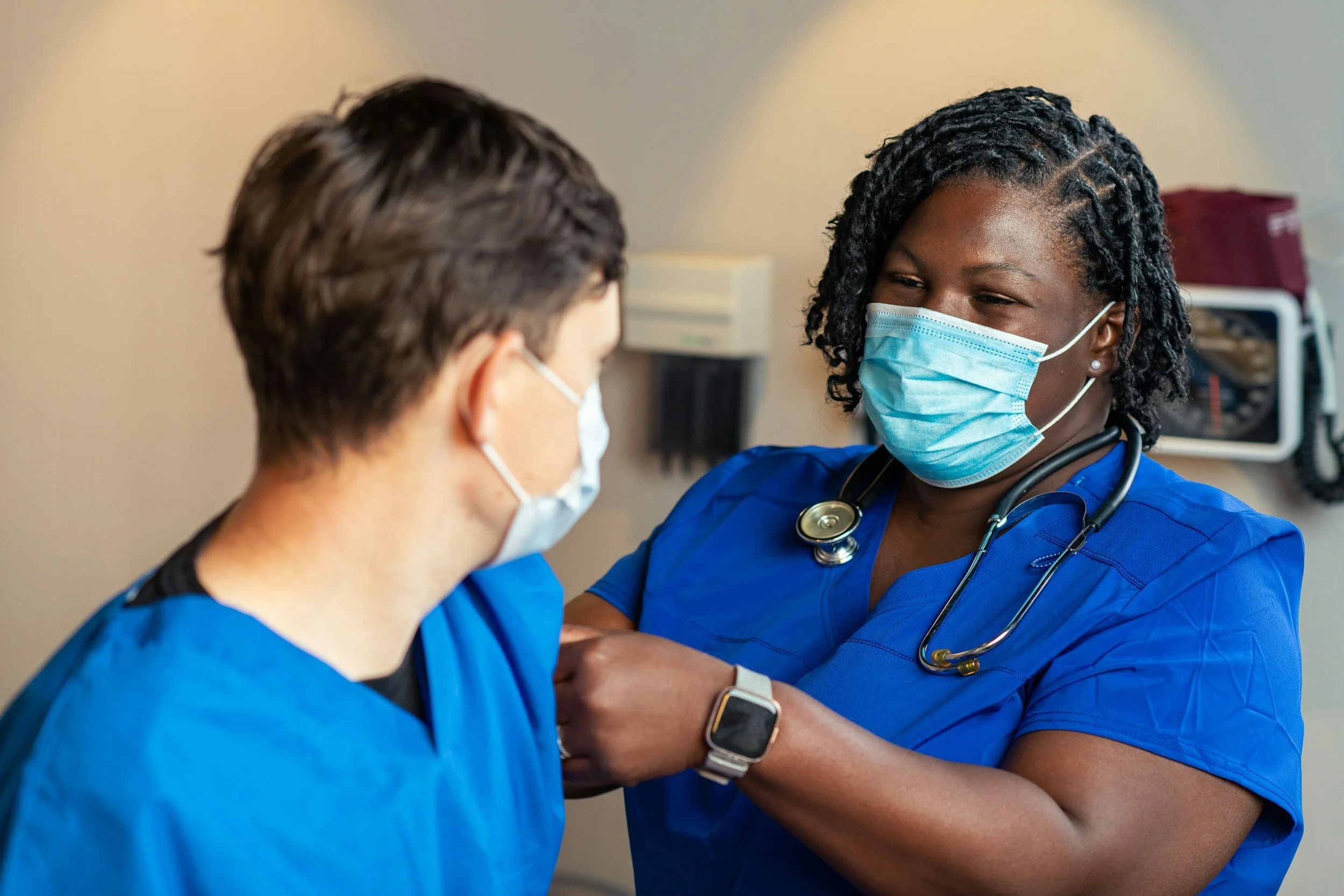
If you completed clinical rotations at a hospital you liked, consider reaching out to a nurse, educator, or instructor you worked with and letting them know you are applying. Even a short message expressing your interest in the unit can help people remember your name when applications start coming through. Hospitals often receive a large number of applications for new grad positions, so having someone who recognizes your name can make a difference.
You can also network by connecting with nurses on LinkedIn, attending job fairs, or speaking with recruiters at career events. When reaching out, keep your message professional and simple. Introduce yourself, mention your nursing program, and share that you are interested in applying to their organization. Most nurses remember what it felt like to be a new grad and are happy to offer advice.
Networking doesn’t guarantee you a job, but it can help you learn more about the unit culture, understand what hiring managers are looking for, and feel more confident during the application and interview process.
Common Mistakes New Grad Nurses Make During the Job Search
The new grad nurse job search can feel overwhelming, especially when you're applying for your first nursing position. When you’re unsure what hiring managers are looking for, it’s easy to make mistakes that slow down the process or cost you interview opportunities. Here are some of the most common mistakes I see new graduate nurses make during their job search.
Applying everywhere without a strategy
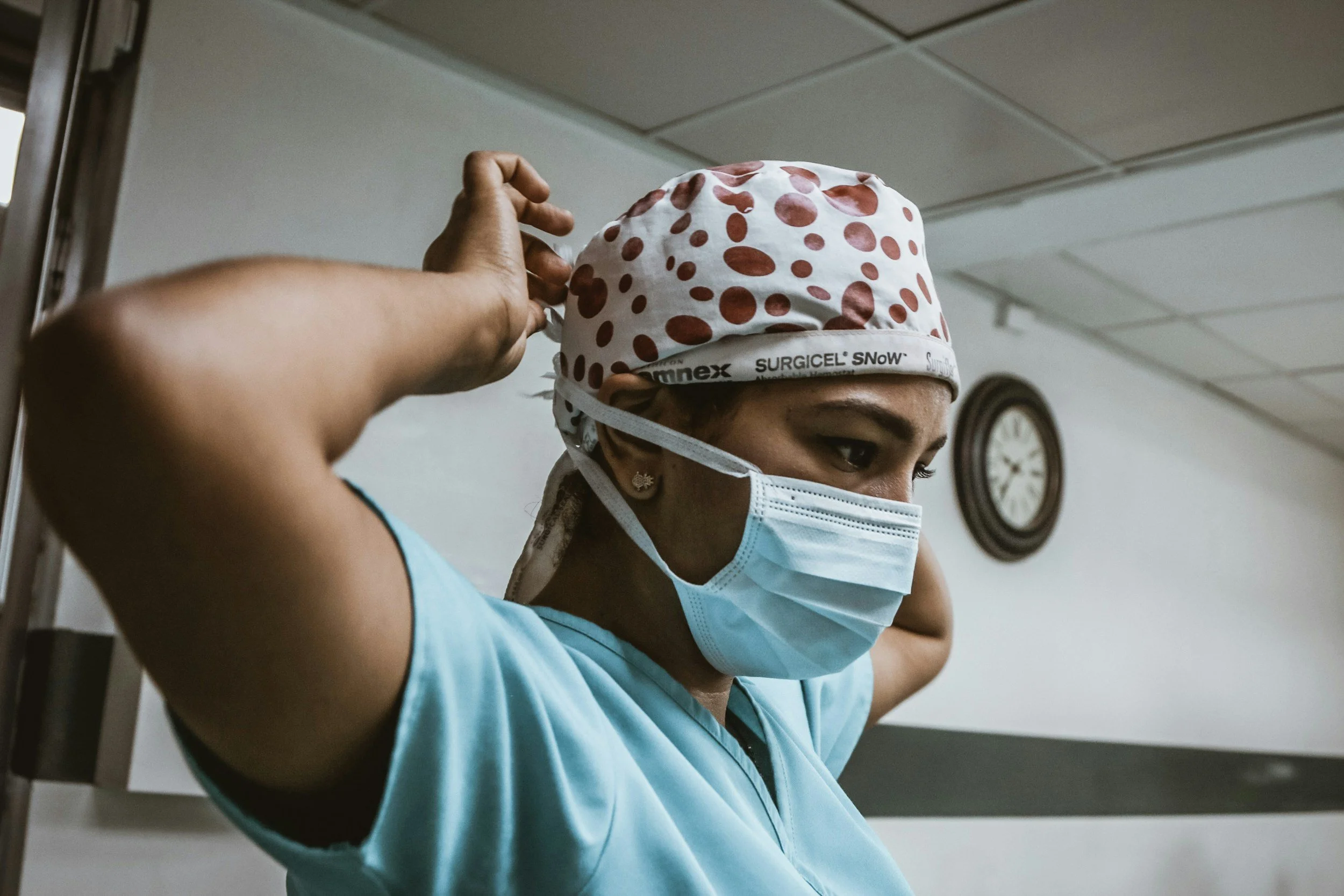
It may feel like the best approach is to apply to as many positions as possible, but applying without a clear plan can actually hurt your chances. Hiring teams want to see that you are genuinely interested in their unit or organization. Instead of applying randomly, focus on positions that align with your interests, clinical experience, and long-term goals. A targeted job search often leads to better interview opportunities.
Not tailoring your resume for each position
One of the biggest mistakes new grads make is submitting the same resume for every application. Small changes to your resume can make a big difference in whether you get an interview. Highlight the clinical experiences, skills, and certifications that match the specific role you are applying for. If you're unsure what hiring managers look for, review these tips on nursing resume mistakes that cost nurses interviews to make sure your application stands out.
Not preparing for interviews ahead of time
Getting an interview is only one step in the process. Many new graduate nurses assume they can just show up and answer questions on the spot, but interview performance often determines who gets the job offer. Practicing common interview questions, preparing your introduction, and understanding what hiring teams are looking for can make a huge difference.
Only applying to one hospital or one type of unit

It’s normal to have a dream job in mind, but limiting yourself too much can make the job search more stressful. New grad positions can be competitive, and sometimes the best opportunity is not the one you expected. Keeping an open mind about different units, hospitals, or residency programs can help you gain experience and grow your skills, even if it’s not your forever job.
FAQ: New Grad Nurse Job Search
Why is it hard to get a job as a new grad nurse?
Finding your first nursing job can feel difficult because many hospitals receive a large number of applications for a limited number of new graduate positions. Hiring managers are often looking for candidates who seem prepared, professional, and likely to stay long term. Even strong students may struggle to get interviews if their resume isn’t clear, they apply without a strategy, or they don’t prepare for interviews ahead of time. With the right approach, most new grad nurses are able to find a position, but the process can take time.
Should new grad nurses apply everywhere?
Because of the competitive nature of the new grad nurse job market, apply to as many positions as you are willing to potentially commute to. The important thing is to avoid applying without a plan. Hiring teams can usually tell when an application feels generic. Instead, focus on positions that match your interests, clinical experience, and long-term goals. Applying strategically and tailoring your resume for each role often leads to better results than submitting the same application everywhere.

What units hire new grads most often?
Some units are more likely to hire new graduate nurses than others. Medical-surgical units, telemetry units, and general inpatient units often have more opportunities for new grads. Specialty areas like ICU, ER, labor and delivery, and pediatrics may be more competitive, but many hospitals offer residency programs that allow new nurses to start in these areas with additional training and support. Being open to different types of units can make the job search easier.
How long does it take to get your first nursing job?
The timeline for finding your first nursing job can vary depending on the location, the number of positions available, and how competitive the programs are. Some new graduates receive offers before graduation, while others may spend several months applying and interviewing before finding the right fit. It’s normal for the job search to take time, and it doesn’t mean you’re doing anything wrong. Staying consistent, improving your resume, and preparing for interviews can help speed up the process.
What should I do if I’m not getting interviews as a new grad nurse?
If you’re not getting interviews, the first thing to review is your resume and application strategy. Small mistakes, unclear formatting, or not tailoring your resume to the job can prevent your application from getting noticed. It’s also important to prepare for interviews so you feel confident when opportunities come up. Improving these areas can make a big difference in your job search.
→ Grab your free “ATS Resume Cheatsheet” resource to help you craft a resume that is approved by Applicant Tracking Systems (used by hospitals to filter through applications and determine prospects).
Final Thoughts…
Finding your first nursing job can feel overwhelming, but the process becomes much easier when you approach it with a clear plan. Instead of applying everywhere and hoping for the best, focus on strengthening your resume, being intentional about where you apply, networking when possible, and preparing ahead of time for interviews. The new grad nurse job search often takes patience, but every application and interview helps you get closer to the right opportunity.
If you want step-by-step guidance on how to prepare for interviews, answer questions with confidence, and stand out to hiring managers, you can learn more about my Interview Blueprint program, where I walk new grad nurses through exactly how to prepare for their first nursing interview.
As always — I am here for you!
- Caroline