
What Is Nursing Intuition? How Great Nurses Learn to Trust Their Clinical Instincts with Jennifer Johnson BScN, RN
Have you ever heard an experienced nurse say,
"Something just isn't right." The patient's vital signs looked okay. The monitor wasn't alarming. Lab work hadn't changed.
Yet somehow, that nurse knew…. and hours later, the patient deteriorated.
Stories like these are incredibly common in nursing.

Some call it a gut feeling. Others call it clinical intuition.
Whatever you choose to call it, one thing is certain: Experienced nurses talk about it all the time.
But here's the interesting part… Most nursing students are never formally taught what intuition actually is, where it comes from, or whether they should trust it.
In a recent episode of the Life After Nursing School Podcast, I sat down with Jennifer Johnson, emergency department nurse, educator, speaker, and author of Nursing Intuition, to explore one of nursing's most fascinating and misunderstood skills.
Our conversation challenged the idea that intuition is mysterious or magical.
Instead, Jennifer explains that intuition is something nurses can develop alongside clinical knowledge, critical thinking, and experience.
What Is Nursing Intuition?
When people hear the word intuition, they often think of something impossible to explain.
Jennifer sees it differently.
Nursing intuition is that quiet feeling that tells you to look closer.
It's the subtle awareness that something has changed before the numbers fully reflect it.
It's not replacing evidence.
It's helping guide your attention toward gathering more evidence.
In many ways, intuition serves as an early signal.
It encourages nurses to reassess.
Ask more questions.
Perform another assessment.
Advocate sooner.
Rather than competing with evidence-based practice, intuition often works alongside it.
Why Experienced Nurses Seem to "Just Know"
One of the most common questions nursing students and new nurses ask is: How do experienced nurses always know when something is wrong?
The answer isn't magic.
It's experience.
Over years of caring for hundreds (or even thousands) of patients, nurses begin recognizing patterns.
They notice tiny differences in:
Breathing
Skin color
Facial expressions
Energy level
Behavior
Speech
Family concerns
Overall appearance
Often, they can't immediately explain exactly what they're noticing.
They simply recognize that today's patient doesn't look like yesterday's patient.
Jennifer describes intuition as learning to recognize those subtle cues before they become obvious.
Intuition Is Not the Opposite of Science
This was one of my favorite takeaways from our conversation.
Some people assume nurses have to choose between: Evidence-based practice or Intuition.
Jennifer argues they're actually partners.

Great nurses use both.
Clinical knowledge gives us the "why."
Assessment provides objective information.
Critical thinking helps analyze the data.
Intuition reminds us when it's time to take another look.
Think of intuition as the spark.
Critical thinking is what follows.
Can New Nurses Have Intuition?
Many new graduate nurses assume intuition only belongs to experienced nurses.
Jennifer doesn't see it that way.
New nurses absolutely notice when something feels different.
The challenge is confidence.
Without years of experience, it's often difficult to explain exactly why.
That's okay.
Every expert nurse started exactly where you are.
Intuition develops over time through repetition, reflection, and learning.
The important thing isn't pretending you know everything.
It's staying curious enough to keep asking questions.
What If You Can't Explain Your Concern?
Imagine you're caring for a patient.
Everything appears stable.
Yet something doesn't feel right.
What should you do?
Jennifer encourages nurses to never ignore that feeling.
Instead:
Perform another assessment.
Review the chart.
Talk with coworkers.
Ask another nurse to look at the patient.
Notify the provider if appropriate.
Even if your concern turns out to be nothing serious, you've practiced advocating for your patient.
Patient safety always comes first.
Trust Yourself—But Verify
One of the biggest misconceptions about intuition is that nurses should simply trust every feeling.
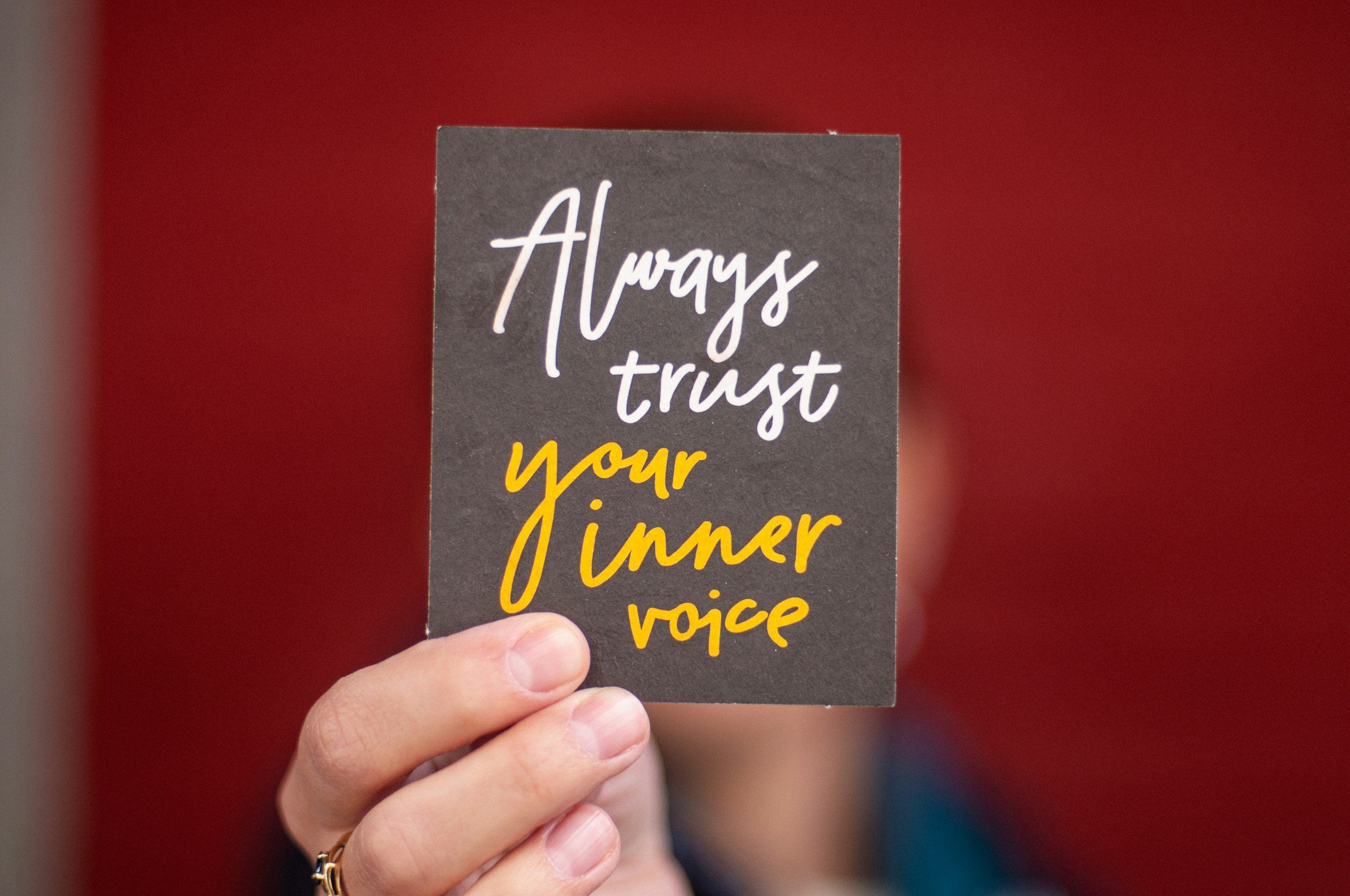
Jennifer offers a more balanced perspective.
Trust yourself enough to investigate.
Not enough to skip the assessment.
Intuition should lead to curiosity.
Curiosity leads to more assessment.
Assessment leads to better decisions.
This approach keeps intuition grounded in evidence rather than assumption.
Why Reflection Makes Better Nurses
One habit Jennifer strongly encourages is reflection.
After each shift, ask yourself:
What went well today?
What did I miss?
What surprised me?
What did I learn?
What will I do differently next time?
Reflection helps transform experience into expertise.
Without reflection, we simply repeat experiences.
With reflection, we grow from them.
The Role of Confidence
Confidence is another theme that emerged throughout our conversation.
Many nurses believe confidence arrives after enough years at the bedside.
Jennifer suggests confidence grows through small moments of trusting yourself.
Speaking up.
Asking questions.
Double-checking assessments.
Learning from mistakes.
Confidence isn't pretending to know everything. It's believing you're capable of figuring things out.
Workplace Culture Matters
Jennifer also shared how workplace culture influences a nurse's ability to trust their instincts.
Healthy environments encourage questions.
They welcome second opinions.
They support newer nurses.
Unfortunately, not every workplace does.
Jennifer spoke openly about experiencing workplace bullying earlier in her career and how those experiences shaped her passion for supporting nurses today.
Psychological safety matters.
Nurses who feel safe speaking up are more likely to advocate for patients.
That's better for everyone.
Teaching the Art of Nursing
Nursing school does an incredible job teaching: Anatomy. Pathophysiology. Pharmacology. Skills. Critical thinking.
But the art of nursing often develops after graduation.
Learning to: Observe. Listen. Connect. Notice. Trust yourself.
These aren't skills mastered in one semester. They're cultivated over an entire career.
Jennifer believes intuition deserves a place in that conversation.

Five Ways to Strengthen Your Nursing Intuition
If intuition can be developed, how do you strengthen it?
Jennifer shared several practical strategies.
1. Slow Down During Assessments
Don't rush through your patient.
Look.
Listen.
Observe.
→ Presence matters.
2. Stay Curious
Instead of asking, "What's wrong?"
Ask, "What's different?"
→ Small differences often become important clues.
3. Reflect After Every Shift
Experience alone doesn't create expertise.
→ Reflection does.
4. Learn From Experienced Nurses
Ask questions.
Watch how they assess patients.
Notice what they notice.
→ Their thinking process is just as valuable as their technical skills.
5. Speak Up
If something feels wrong… Say something.
Even if you're uncertain.
→ Patient safety is always worth another conversation.
Nursing Is Both a Science and an Art
Perhaps my favorite moment of the interview came when we discussed the balance between science and intuition.
Healthcare relies on research. Evidence. Guidelines. Protocols.
But nursing has always been more than data. It's observation. Connection. Compassion. Experience. Clinical judgment.
Intuition doesn't replace science. It complements it.
Together, they allow nurses to provide exceptional patient care.
What Every New Nurse Should Remember
If you're a nursing student or new graduate, here's what I hope you take away from Jennifer's message:
You don't need to have perfect intuition on day one.
You don't need to know everything.
You simply need to stay present.
Stay curious.
Keep learning.
Trust yourself enough to ask another question.
Over time, your confidence will grow.
Your assessments will become sharper.
Your intuition will become stronger.
And one day, you may find yourself walking into a patient's room and quietly thinking, "Something isn't right."
Not because you have a superpower.
But because years of learning, observing, and caring have taught your brain to recognize patterns that your conscious mind is only beginning to understand.
Final Thoughts
Jennifer Johnson's work reminds us that great nursing isn't just about memorizing medications or interpreting lab values.
It's about combining knowledge with observation.
Science with compassion.
Critical thinking with intuition.
As nurses, we often spend years learning to trust monitors, machines, and objective data.
Jennifer encourages us to also trust one more important tool: Ourselves.
Because when intuition is paired with evidence-based practice, thoughtful assessment, and a willingness to keep learning, it becomes one of the many qualities that helps great nurses provide extraordinary care.
As always — I have one hand for me, and the other for you. 🤍
Signing Off…
Caroline
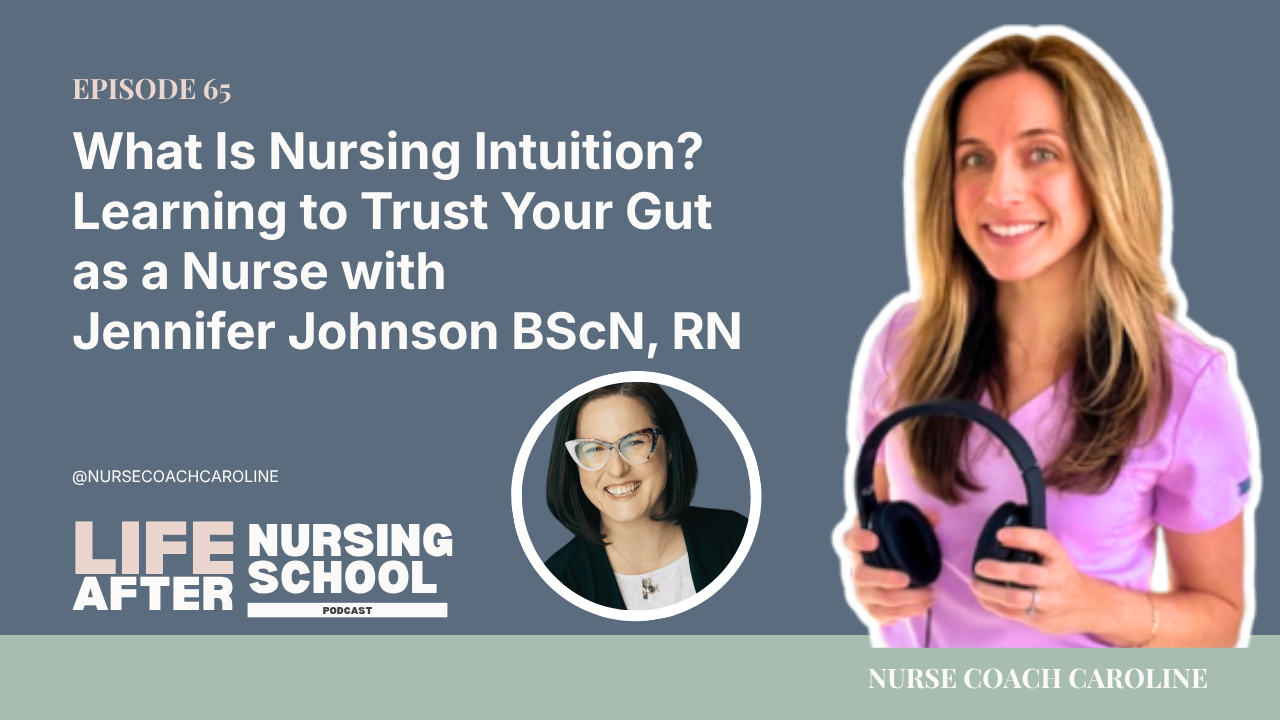
PS. Want more on this topic? Listen to Life After Nursing School Podcast Ep 65